
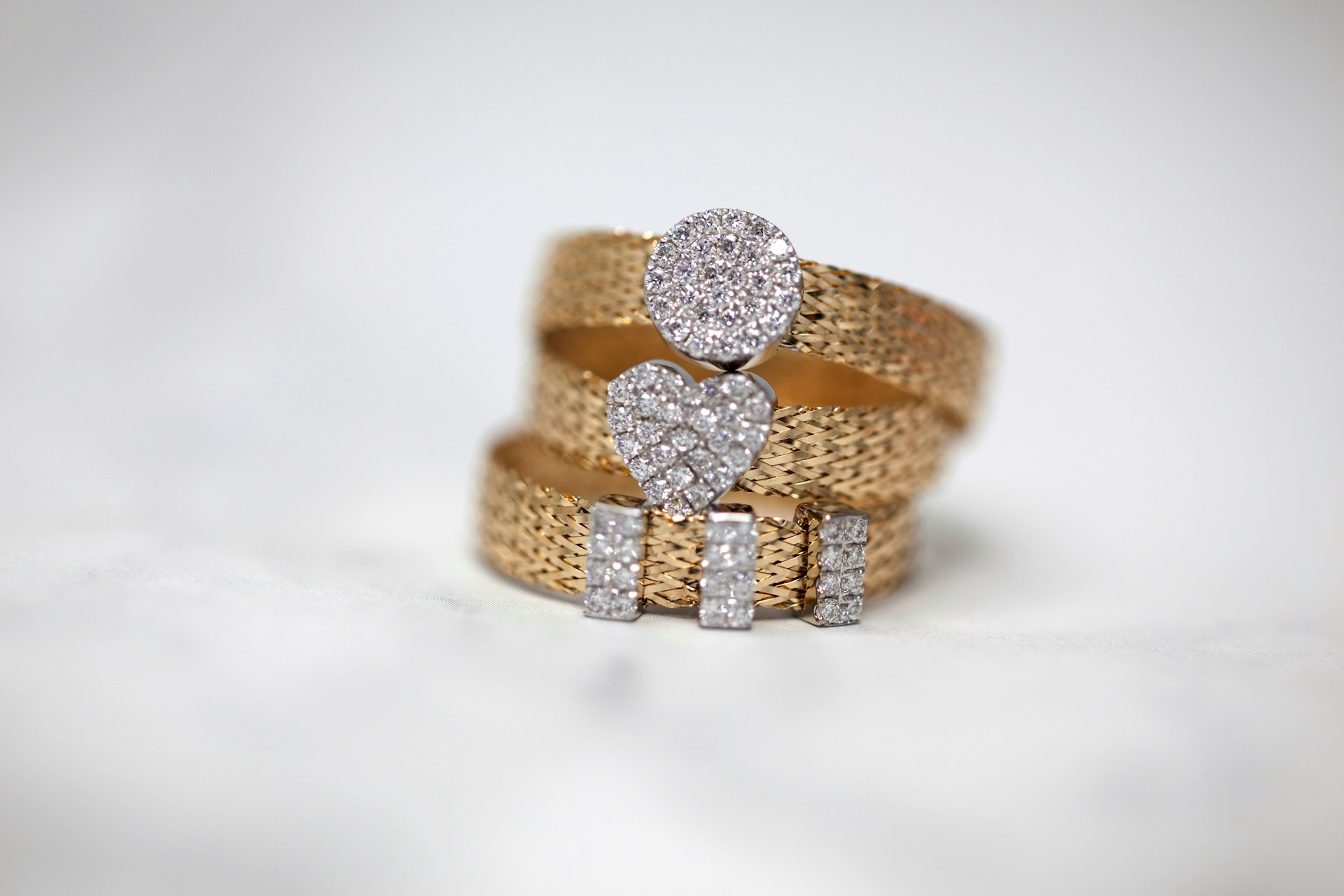
Jewelry earns its place in a wardrobe and in a family for reasons that go far beyond shine. The pieces people return to, gift with meaning, and pass down over time are usually the result of disciplined design: thoughtful proportions, well-chosen stones, careful metalwork, and the quiet confidence of expert finishing. That creative process is rarely visible from the display case, yet it determines whether a ring, bracelet, or necklace feels merely beautiful in the moment or truly lasting. At Elegant Jewelers, a luxury jewelry store in Woodbury, NY, that behind-the-scenes work remains central to how fine jewelry is understood, selected, and appreciated.
The Vision Behind Every Piece
Every strong jewelry design begins with intention. Before a single stone is set, a designer has to answer a series of practical and aesthetic questions: What should the piece communicate? How will it sit on the hand, wrist, or neck? Will it be worn every day, saved for formal occasions, or handed down as an heirloom? In fine jewelry, beauty is never separate from function. A ring that catches the light beautifully but feels top-heavy, snags constantly, or lacks structural balance will never become a true favorite.
This is where experienced jewelers distinguish themselves. They understand that proportion matters as much as sparkle, and that luxury often reveals itself in restraint. A necklace may need a certain chain weight to complement a pendant. A halo setting may need to enhance the center stone without overwhelming it. A bracelet may need flexibility, security, and comfort at once. At Elegant Jewelers, the best pieces reflect this kind of design intelligence rather than chasing trends alone.
- Proportion: Stones, settings, and metal volume should feel balanced from every angle.
- Wearability: Fine jewelry should sit comfortably and move naturally with the body.
- Harmony: Metal tone, gemstone color, and silhouette should support one another.
- Longevity: Good design anticipates years of wear, not just first impressions.
From Sketch to Setting in Fine Jewelry NYC
The public often sees only the finished piece, but the real story unfolds in stages. Whether a design begins as a custom concept or as a carefully refined style in a collection, the process is layered and deliberate. Inspiration may come from architecture, vintage forms, a specific gemstone, or a client’s personal milestone, but turning that idea into fine jewelry requires precision at every step.
| Stage | What Happens | Why It Matters |
|---|---|---|
| Concept Development | Initial sketches, references, and design direction are established. | Creates a visual and structural foundation for the piece. |
| Stone Selection | Diamonds or colored gemstones are chosen for shape, quality, and compatibility. | Ensures the design is built around the right focal point. |
| Structure Planning | Setting style, metal weight, dimensions, and engineering details are refined. | Protects durability, comfort, and visual balance. |
| Bench Work | Metal is formed, assembled, soldered, set, and polished. | Transforms concept into a finished object with integrity. |
| Final Review | Prongs, finish, symmetry, and wearability are checked closely. | Confirms that the piece meets luxury standards before presentation. |
Even ready-to-wear fine jewelry benefits from this same discipline. The difference between ordinary ornament and a truly refined piece is often invisible at first glance, yet unmistakable in person. Clean lines, secure settings, smooth finishing, and coherent design language all signal that the piece was made with intention rather than assembled for quick effect.
Materials That Give Jewelry Its Character
Materials do more than determine price; they define personality. Gold, platinum, diamonds, sapphires, emeralds, rubies, and other gemstones all bring distinct visual and structural qualities to a design. A warm yellow gold setting can make antique-inspired details feel rich and romantic. Platinum offers a cooler, weightier presence that many people prefer for timeless engagement rings. Colored stones introduce depth, mood, and individuality, but they also require thoughtful pairing with the right setting and cut.
Choosing stones well means looking beyond surface sparkle. Professionals evaluate how a gem performs in light, how it relates to the scale of the design, and whether it suits the life of the wearer. A striking stone that is too delicate for daily use may be better reserved for earrings or pendants than for a ring intended for constant wear.
- Light performance: A gemstone should show life and character, not just size.
- Shape compatibility: Certain cuts suit certain settings and silhouettes better than others.
- Color relationship: Stone tone should complement both the metal and the overall design mood.
- Durability: Lifestyle matters. Jewelry should align with how it will actually be worn.
This level of judgment is part of what makes luxury jewelry feel considered. The finest pieces rarely rely on one standout element alone. Instead, metal, stone, scale, and setting work together so naturally that nothing feels forced.
The Bench Work That Separates Luxury from Ornament
Design may begin on paper, but craftsmanship proves itself at the bench. This is where theory becomes reality: prongs are shaped and tightened, settings are aligned, seams are refined, surfaces are polished, and the entire piece is brought into visual and structural harmony. A well-made jewel does not simply look polished on top. It feels finished underneath, around the edges, and in the details most people do not notice until they compare it with lesser work.
That is why serious jewelers pay close attention to what can be called the invisible architecture of a piece. The underside of a ring, the smoothness of gallery work, the consistency of pavé, the security of a clasp, and the evenness of finishing all matter. At Elegant Jewelers, this standard of care supports the store’s reputation as a place where beauty is backed by substance.
- Secure settings: Stones should feel protected without appearing bulky.
- Refined finishing: Surfaces should be smooth, even, and intentionally polished.
- Balanced weight: A piece should feel substantial without becoming uncomfortable.
- Clean symmetry: Matching sides, consistent spacing, and aligned stones reveal skilled execution.
- Comfort details: Luxury is also felt in how a piece wears throughout the day.
These qualities become especially important over time. Jewelry that is well built maintains its presence with repeated wear, while poorly resolved work often reveals weakness quickly through loose stones, worn prongs, rough edges, or awkward movement.
Conclusion: Why Fine Jewelry NYC Begins with Craft
For anyone exploring Fine jewelry NYC, the most useful shift in perspective is to look beyond immediate brilliance and consider the decisions that created it. Ask how the piece is balanced, how the stones are held, how the metal has been finished, and whether the design will still feel compelling years from now. Those are the questions that separate impulsive buying from meaningful collecting.
The enduring appeal of fine jewelry lies in its combination of art, engineering, and emotion. A beautiful piece should do more than decorate; it should feel resolved, personal, and worthy of keeping. Elegant Jewelers in Woodbury, NY reflects that tradition well, offering a point of view shaped by craftsmanship, discernment, and respect for lasting design. In the end, the true artistry of jewelry is not only what the eye sees in the case, but what the hand, the wearer, and time itself continue to confirm.
