
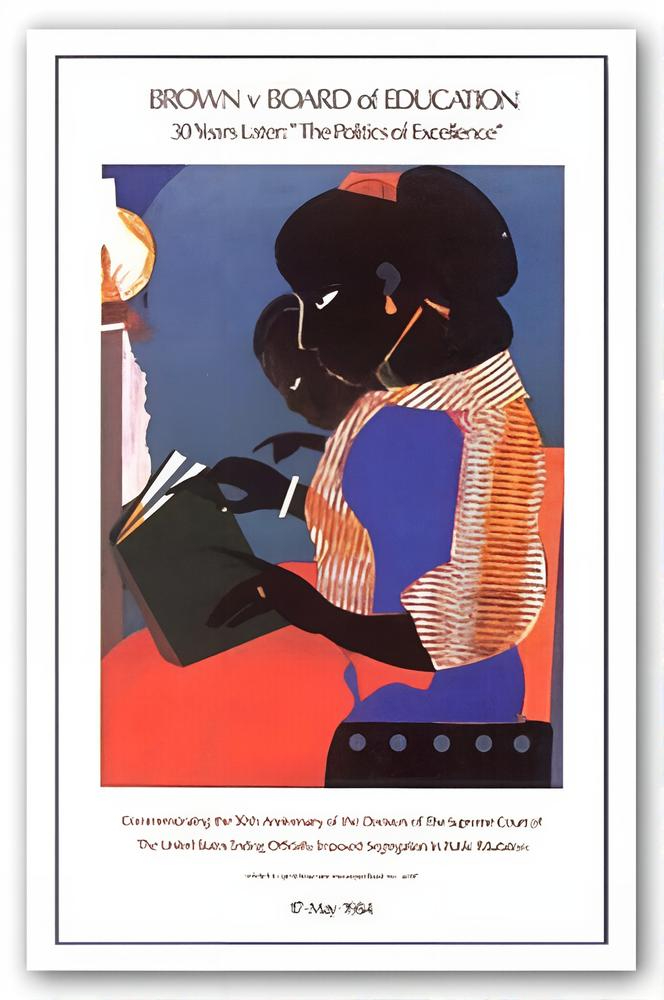
Art has always been a powerful medium for expression, and when it intersects with education, it creates a dynamic platform for cultural representation and understanding. The exploration of Black art within educational contexts not only enriches the curriculum but also fosters a deeper appreciation for the diverse narratives that shape our world. By examining this intersection, we can uncover the vital role that education plays in promoting Black art and the impact that this art form has on educational settings.
The Significance of Black Art in Education
Black art is more than just a visual representation; it embodies the history, struggles, and triumphs of the Black community. Integrating Black art into educational frameworks allows students to engage with these narratives on a personal level. This engagement is crucial for fostering empathy and understanding among students from diverse backgrounds.
Historical Context
Understanding the historical context of Black art is essential for appreciating its significance in education. The origins of Black art can be traced back to African traditions, which were often disrupted by colonialism and the transatlantic slave trade. Despite these challenges, artists have used their craft to document their experiences and assert their identities.
- African Heritage: Many Black artists draw inspiration from their African roots, incorporating traditional motifs and techniques into their work.
- Civil Rights Movement: The Civil Rights Movement of the 1960s saw a surge in Black artistic expression, as artists used their work to advocate for social justice and equality.
- Contemporary Voices: Today, Black artists continue to challenge societal norms and address contemporary issues, making their work relevant in educational discussions.
Benefits of Integrating Black Art into Curricula
Incorporating Black art into educational curricula offers numerous benefits that extend beyond mere representation. It provides students with a richer understanding of cultural diversity and encourages critical thinking.
Cultural Awareness and Sensitivity
One of the primary benefits of including Black art in education is the promotion of cultural awareness and sensitivity. When students learn about the contributions of Black artists, they gain insight into the cultural contexts that shape these works. This understanding can lead to greater respect for diversity and an appreciation for different perspectives.
- Enhanced Critical Thinking: Analyzing Black art encourages students to think critically about the messages conveyed through the artwork.
- Broadened Perspectives: Exposure to different cultural narratives helps students develop a more nuanced view of history and society.
- Empathy Development: Engaging with the stories behind Black art fosters empathy, allowing students to connect with experiences outside their own.
Encouraging Creativity and Expression
Integrating Black art into education also encourages creativity and self-expression among students. By studying the techniques and styles of Black artists, students can draw inspiration for their own creative endeavors. This not only enhances their artistic skills but also promotes a sense of identity and belonging.
- Artistic Techniques: Students can learn various artistic techniques used by Black artists, such as collage, mixed media, and traditional painting styles.
- Personal Expression: Encouraging students to create their own art based on themes of identity and culture allows them to express their thoughts and feelings in a constructive manner.
Challenges in Promoting Black Art in Education
Despite the numerous benefits, there are challenges in promoting Black art within educational settings. These challenges often stem from systemic issues and a lack of resources.
Curriculum Limitations
Many educational institutions struggle to incorporate diverse perspectives into their curricula. The traditional curriculum often overlooks Black art and artists, leading to a narrow understanding of art history.
- Lack of Representation: Without proper representation in textbooks and resources, students may not be exposed to the rich tapestry of Black artistic contributions.
- Resistance to Change: Some educators may resist changing established curricula, fearing that it may disrupt the status quo or challenge prevailing narratives.
Resource Accessibility
Access to resources that highlight Black art can also pose a challenge. Schools in underfunded areas may lack the necessary materials to effectively teach about Black artists and their contributions.
- Funding Issues: Limited funding for art programs can hinder the ability to acquire diverse art materials and resources.
- Professional Development: Educators may require additional training to effectively teach about Black art and its significance, which is often not provided.
Case Studies of Successful Integration
Several educational institutions have successfully integrated Black art into their curricula, serving as models for others to follow. These case studies highlight innovative approaches that can be adopted across various educational settings.
The Studio Museum in Harlem
The Studio Museum in Harlem offers educational programs that focus on contemporary Black art. Their initiatives include workshops, artist talks, and exhibitions that engage students with the work of Black artists.
- Interactive Learning: Students participate in hands-on workshops that allow them to create their own art while learning about the techniques of established artists.
- Community Engagement: The museum fosters a sense of community by involving local schools and organizations in its programs.
Art Education Programs in Schools
Some schools have developed art education programs that prioritize Black art. These programs often incorporate field trips to galleries and museums that feature Black artists, providing students with firsthand experiences.
- Field Trips: Students visit local galleries to view Black art, allowing them to engage with the work in a meaningful way.
- Collaborative Projects: Schools may partner with local artists to create collaborative art projects that reflect the community’s cultural heritage.
- Exhibitions: Student artwork can be showcased in exhibitions that highlight the contributions of Black artists, fostering pride and recognition.
Conclusion
The intersection of education and Black art is a rich and vital area of exploration. By integrating Black art into educational curricula, we not only enrich students’ learning experiences but also promote cultural awareness, empathy, and creativity. Despite the challenges that exist in this endeavor, the benefits far outweigh the obstacles. As educators and institutions continue to advocate for the inclusion of diverse narratives, the impact of Black art on education will undoubtedly grow, shaping future generations to be more inclusive and culturally aware. Embracing this intersection is not just beneficial; it is essential for fostering a more equitable and understanding society.
——————-
Discover more via the Positive Black Images website anytime:
Positive Black Images
https://www.positiveblackimagesfineart.com/
301-956-7040
Gaithersburg, United States
Positive Black Images
Step into a world of vibrant, empowering, and captivating artwork that celebrates the beauty and strength of the black community. Discover the soul-stirring creations that uplift and inspire at positiveblackimagesfineart.com.


