
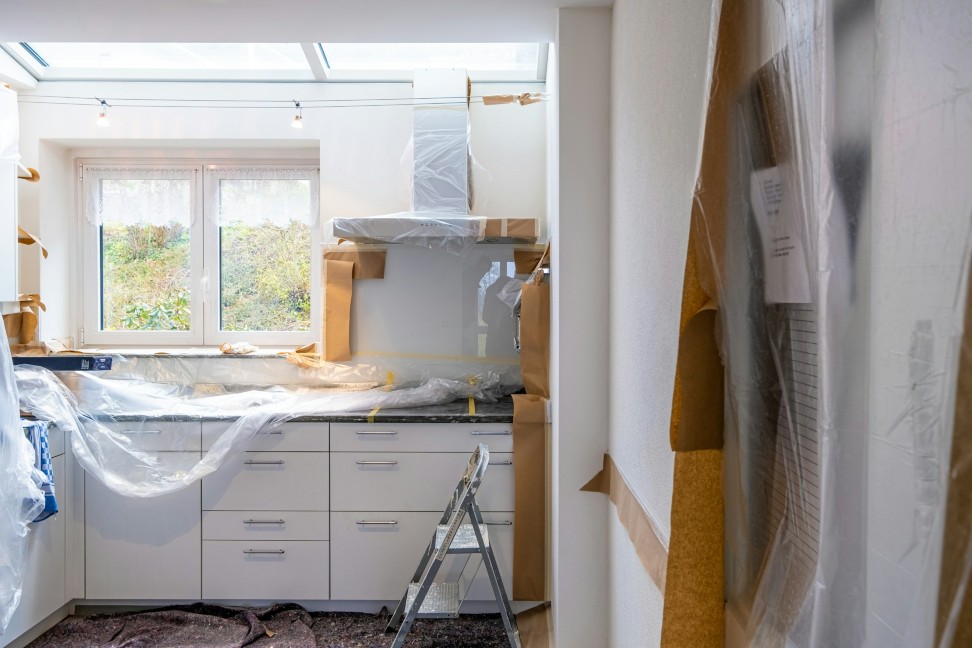
Fresh paint is easy to appreciate when a home looks crisp, clean, and well cared for, but regular painting maintenance is about far more than appearance. Paint acts as a protective skin over timber, plaster, weatherboards, trim, and other exposed surfaces. When that protective layer starts to fail, moisture, sunlight, grime, and daily wear can begin to affect the structure beneath it. In a place like Auckland, where homes are exposed to changing weather, salt in coastal air, and strong sun, staying ahead of paint deterioration is one of the most practical ways to protect a property and avoid preventable repair work.
Paint Maintenance Is Preventive Home Care, Not Just a Cosmetic Update
Many homeowners think of painting as something to deal with only when colours fade or the exterior starts to look tired. In reality, regular maintenance is part of a broader home care routine, much like roof inspections, gutter cleaning, or timber treatment. Once paint begins to crack, peel, blister, or chalk, the issue is no longer just visual. Those changes can signal that the surface is exposed and vulnerable.
Well-maintained paintwork helps seal surfaces against moisture intrusion, slows down timber movement, reduces the risk of rot, and makes day-to-day cleaning easier. Indoors, it can also protect walls and trims from scuffs, humidity, and general wear in busy living areas. A proactive approach usually means smaller touch-ups, targeted preparation, and better long-term results rather than waiting for widespread breakdown and facing a larger repainting job.
For homeowners who want to preserve both appearance and condition, working with experienced House painting contractors Auckland can make it easier to spot early signs of wear before they become expensive structural concerns.
Why Auckland Homes Need Consistent Painting Attention
Auckland properties face a mix of environmental pressures that can shorten the life of paintwork if maintenance is neglected. Rain, humidity, wind, airborne contaminants, and UV exposure all affect how paint performs over time. Even homes that seem structurally sound can develop vulnerable areas around windows, eaves, trims, decks, and sun-exposed elevations.
Exterior surfaces tend to weather unevenly. The side of the house that receives stronger sun may fade faster, while shaded or damp areas may show mildew, staining, or moisture-related wear. Coastal properties can face additional stress from salt-laden air, which can accelerate deterioration on certain materials and fixtures. That means homeowners cannot rely on a one-size-fits-all repainting timeline. The real condition of the surface matters more than a fixed number of years.
Interior spaces also benefit from maintenance, especially kitchens, bathrooms, hallways, children’s rooms, and rental properties where walls and joinery see more frequent use. Regular cleaning, minor repairs, and selective repainting help keep interior finishes looking fresh while preventing a worn or neglected feel from spreading through the home.
What Regular House Painting Maintenance Actually Involves
Maintenance does not always mean repainting the entire property. In many cases, the smartest approach is periodic inspection followed by focused work in the areas that need attention most. This keeps the home protected and can extend the life of larger paint systems.
A practical maintenance routine often includes:
- Visual inspections of exterior walls, trims, soffits, doors, and window frames for peeling, cracking, bubbling, or fading
- Washing surfaces to remove dirt, mould, mildew, cobwebs, and pollutants that can break down coatings over time
- Checking sealants and joints around openings where water may enter
- Spot repairs for damaged timber, plaster, or previously painted areas
- Touch-up painting on isolated sections before widespread coating failure develops
- Monitoring interior high-wear areas for chips, stains, and moisture-related paint damage
When handled at the right time, this kind of maintenance can preserve both the finish and the underlying materials. It also creates a clearer picture of when a full repaint is genuinely needed, rather than relying on guesswork.
| Area | Common Warning Signs | Why It Matters |
|---|---|---|
| Weatherboards and cladding | Fading, peeling, chalking, mildew | These surfaces are directly exposed and need protection against moisture and UV damage |
| Windows and trims | Cracks, flaking paint, swollen timber | Openings are vulnerable points where water can enter if paint systems fail |
| Interior kitchens and bathrooms | Staining, bubbling, mould marks | Humidity can compromise coatings and affect hygiene and appearance |
| Doors, skirting, and hallways | Scuffs, chips, worn edges | High-contact areas age faster and can make an otherwise tidy home feel tired |
The Cost of Waiting Too Long
Delaying paint maintenance often creates a chain reaction. What begins as a small patch of peeling paint can lead to exposed substrate, trapped moisture, surface decay, and more extensive preparation before repainting can even begin. This is especially true with timber features, where neglected coatings can allow the material itself to deteriorate.
From a practical standpoint, maintenance is usually more efficient than restoration. Small issues are easier to access, repair, and repaint. Once deterioration spreads, the scope can expand to include sanding, stripping, filling, replacing damaged materials, and more intensive priming before topcoats are applied. The result is a larger job, more disruption, and often a higher final cost.
There is also the impact on presentation. A well-kept exterior supports curb appeal and gives the impression that the property is properly cared for overall. For owner-occupiers, that creates pride and comfort. For landlords and sellers, it contributes to a stronger first impression. Even when a home is not going on the market, neglect tends to show quickly in paintwork because it is one of the most visible elements of the entire property.
How to Plan a Smarter Maintenance Schedule
The best maintenance plan is based on the home itself: its age, materials, location, sun exposure, and current paint condition. A shaded villa, a modern coastal home, and a busy family townhouse will not wear in the same way. That is why periodic professional assessment is valuable. It helps homeowners act on real surface conditions rather than assumptions.
A sensible approach is to think in stages:
- Inspect regularly. Walk around the property and check high-risk areas after wet seasons and during dry, bright months when flaws are easier to see.
- Clean before judging condition. Dirt and mildew can hide the true state of paintwork, so washing surfaces first gives a more accurate view.
- Address isolated damage early. Touch-ups and minor repairs are most effective when surrounding coatings are still sound.
- Schedule broader repainting when protection starts to weaken. If wear is widespread, repeated patching may no longer be the best long-term solution.
This is where an established local team can add real value. Tropical Painters & Decorators Auckland | Residential & Commercial Experts understands how Auckland conditions affect residential finishes and can help homeowners decide whether a property needs maintenance work, selective restoration, or a full repaint. The right advice is not about repainting too soon; it is about preserving the home before damage becomes harder to reverse.
Quick maintenance checklist:
- Check for peeling, blistering, or cracking paint
- Look closely at timber trims, sills, and door frames
- Wash away mould, grime, and salt residue where relevant
- Inspect bathrooms and kitchens for moisture-related paint issues
- Repair minor surface defects before they spread
- Arrange professional advice if multiple areas show wear at once
Conclusion
Regular painting maintenance matters because it protects the home at the surface level before deeper and costlier problems take hold. It preserves appearance, supports durability, and helps homeowners stay in control of repair costs rather than reacting once deterioration is obvious. In Auckland, where climate and exposure can be demanding, paint should be treated as part of the home’s protective system, not just its decorative finish.
For homeowners who want lasting results, experienced House painting contractors Auckland can provide the inspection, preparation, and workmanship needed to keep paint performing properly over time. With a thoughtful maintenance plan and skilled support from professionals such as Tropical Painters & Decorators Auckland, a home can continue to look refined, feel well cared for, and stay better protected year after year.
For more information on House painting contractors Auckland contact us anytime:
TROPICAL PAINTERS
https://www.aucklandhousepainters.com/
0272317600
Tropical Painters founded in 1986 is best house painters Auckland house painting specialists. Best interior painters in Auckland.Best Exterior house painting recommended by builders & home owners. Referred to Auckland Home Owners by Resene & Dulux for Auckland. Spray Painting Specialists, to Pressure Washing, Membranes, Stains, Roofs all Substrates & Sheens, Architectural Finishes, High Quality Finishes.
